How Behavioural Psychology Shapes Modern Marketing
Marketing grounded in psychology is not about control, it’s about connection. When you understand how people think, you earn attention instead of demanding it.

Marketing today is less about shouting for attention and more about understanding why people act the way they do. Every decision, from choosing coffee to clicking “buy now”, is shaped by invisible psychological forces. The smartest brands do not fight these instincts, they work with them.


Understanding human shortcuts
If you want people to act, make it effortless.
A marketer who grasps this can design smoother journeys.
- Placing key buttons where the eye naturally lands
- Using familiar words instead of jargon
- Offering default options that make sense
The less thinking required, the more likely someone will say yes.
Anchoring and pricing
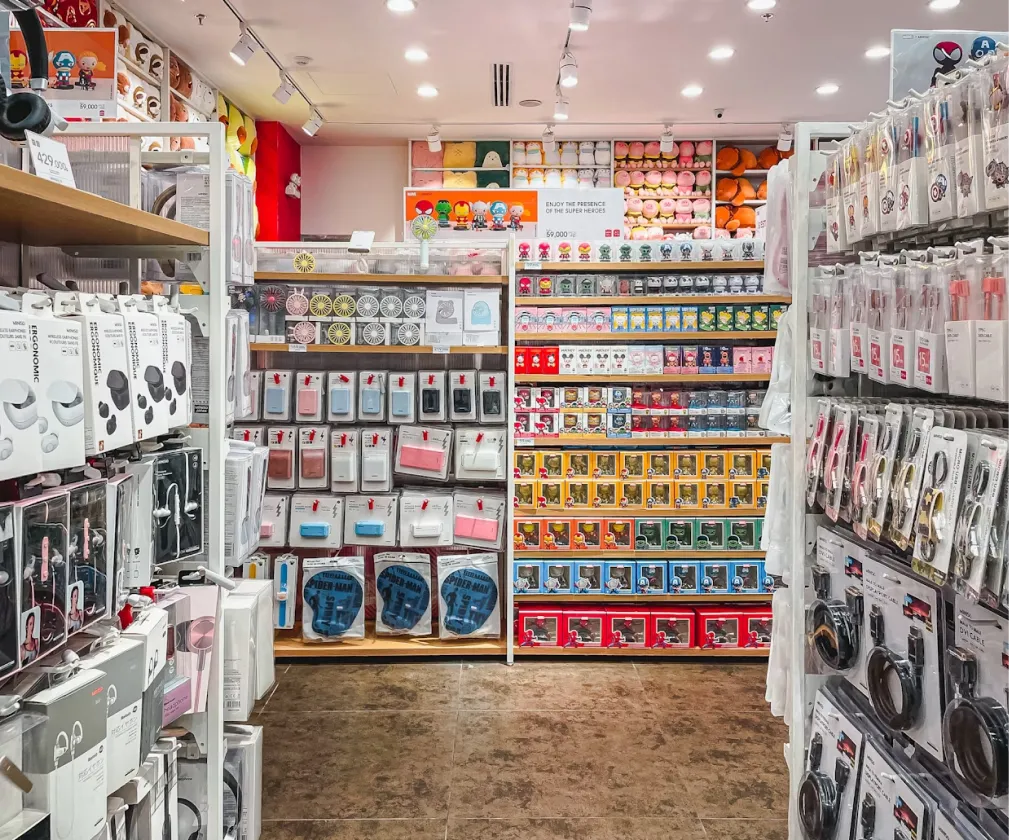
Anchoring happens when the first number we see shapes how we judge everything after it. A $150 jacket makes the $90 one look reasonable, even cheap.
This principle works across pricing pages, menus and product bundles.
- Show a high-tier plan first to make the mid-tier feel like a smart choice
- Use contrast to make value visible
- Avoid fake inflation; consumers notice
Anchoring is powerful because it works instantly. The brain rarely questions the first comparison it sees.
The pull of social proof
We are social creatures. When we are unsure, we copy what others do. That is why a wall of five-star reviews feels more persuasive than a polished slogan.
Social proof takes many forms: influencer endorsements, “bestseller” badges, or real customer photos. A brand saying “we are great” sounds like advertising. A thousand customers saying it feels like truth.
Authenticity is key. People spot fake reviews and contrived hype faster than ever.
Emotion builds connection
Logic can sell a product once. Emotion builds a relationship.
A great campaign makes people feel pride, joy, belonging or nostalgia. These feelings do not fade with the next promotion.
Stories stick where statistics do not.
Consider how:
- John Lewis uses storytelling that tugs the heart
- Nike connects ambition with identity
- Charities turn empathy into action
Emotion does not just color perception, it defines it.
Loss aversion and urgency
People hate missing out more than they enjoy winning. This instinct drives flash sales, countdowns and “limited stock” alerts. When used honestly, urgency helps overcome hesitation.
Still, restraint matters. Genuine scarcity motivates; artificial panic alienates. Ethical marketers use urgency as seasoning, not the main ingredient.
Design that nudges behaviour
Design quietly influences choices every day. Highlighting one option, simplifying checkout, or preselecting eco-delivery are all subtle nudges that guide without pressure.
Good nudging feels helpful, not manipulative. It is about steering attention, not stealing control.
-
Simplify
Fewer choices increase completion rates -
Signal
Visual cues can highlight smarter paths -
Support
Defaults should match what is best for users

Marketing with ethics
Behavioral psychology gives marketers immense influence. The ethical test is simple: would you still use the same tactic if the customer knew exactly what you were doing?
Good psychology builds sales. Great ethics build brands.
Transparency earns trust. Integrity keeps it. Marketing built on honesty, empathy and respect is not just effective; it is sustainable.
In summary
Behavioral psychology has turned marketing from persuasion into understanding. It teaches brands to speak the language of real people: emotional, curious, inconsistent and wonderfully human.
The future of marketing belongs to those who respect the mind, not manipulate it.